
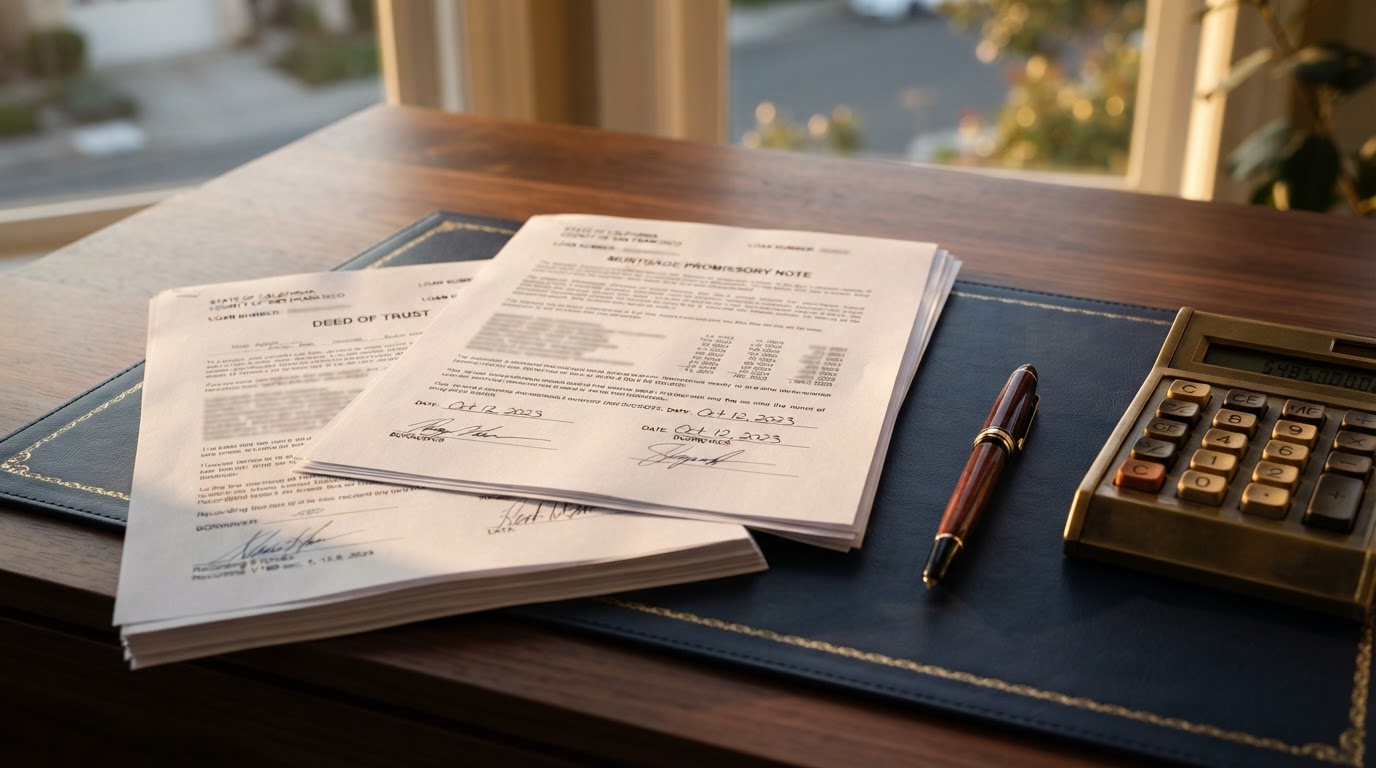
Selling the note is not selling the property
When you sell a note, you're transferring your right to receive future payments — not the property itself. The borrower keeps the property and keeps paying; the payments simply go to someone else. Getting this clear first changes what you're actually deciding.
Keep vs. full sale vs. partial sale
Three structures, three different trade-offs between cash now and income later. The table below compares them on the factors that actually shape your decision. The agreement you sign determines exactly how retained rights, servicing, and proceeds work — so review it carefully.
| Strategy | Immediate Liquidity | Future Monthly Income | Default & Foreclosure Risk | Administrative Burden |
|---|---|---|---|---|
| Keep the Note | None; ongoing monthly payments only | Full monthly payment for remaining loan term | Seller bears 100% of non-payment and foreclosure risk | Track payments, escrow taxes/insurance, send 1098/1099 tax forms |
| Full Note Buyout | Maximum immediate lump sum (discounted to yield) | None; complete transfer of all future payments | Zero default risk once transaction closes | Completely eliminated; buyer takes over servicing |
| Partial Payment Sale | Moderate lump sum (scaled to payments sold) | Pauses during buyer's term; resumes when payments revert | Split per purchase agreement; investor typically controls initial remedies | Third-party servicer handles split accounting |
Terms, pricing, and retained rights are governed strictly by the definitive note purchase agreement. A full sale eliminates ongoing servicing, but seller warranties regarding note validity survive closing.
Why the unpaid balance isn't the purchase price
Buyers price notes based on remaining balance, interest rate, term, the payer's payment history, property value, and lien position. A lower rate, weaker payer, or weaker collateral generally means a larger discount to face value. The unpaid balance is a starting point — not an offer.
A hypothetical partial sale: who gets which payments
Suppose you hold a note with 200 monthly payments remaining. In a hypothetical partial sale of the next 60 payments, a buyer pays you a lump sum now for the right to receive those 60 payments; you keep the remaining 140 payments, which return to you after the sold block ends.
- •Hypothetical: 200 payments remain; you sell the next 60 for a lump sum.
- •The buyer collects payments 1–60; you collect payments 61–200 afterward.
- •Exact terms depend on the note, the payer, and the buyer — this is illustrative, not an offer.
Why partial-sale terms and retained rights need careful review
Partials can be structured many ways. What happens if the payer pays early, defaults, or refinances? Who services the loan? What rights do you retain, and what happens to the unsold payments? Because these terms affect your future income and risk, review every partial-sale agreement carefully before signing — the agreement, not a general description, controls.
- •Early payoff or refinance: how are proceeds split between you and the buyer?
- •Borrower default: who controls foreclosure and how are surplus funds distributed?
- •Servicing: does a licensed third-party servicer collect and disburse payments?
Questions to ask before accepting an offer
Before you commit, get clear answers to these.
- •Is your offer for the full note or a partial, and exactly which payments does it cover?
- •What due diligence do you require, and what happens if the payer's credit or the property value comes back lower?
- •Who services the loan after the sale?
- •What are the closing costs, and who pays them?
- •How is the payoff calculated if the payer refinances or pays early?
What to gather for an initial evaluation
You can start a conversation without sending sensitive borrower documents over unsecured email. A few details are enough for a first look.
- •Note type and lien position (first or second)
- •Remaining balance, interest rate, and term
- •Approximate property value and location
- •Payer's payment history (consistent, late, in default?)
- •Whether the note is performing or non-performing
- •Share documents only through a secure method — never as plain email attachments
Frequently Asked Questions
Will Homedough buy every note?
Not necessarily. We help note holders explore full or partial sale options and connect with potential buyers and funding partners. Whether a buyer purchases depends on their underwriting of the note, payer, and property.
Is the evaluation free?
Yes — the initial evaluation is free and carries no obligation. Any applicable brokerage or transaction costs are explained before you proceed.
Do I have to sell the whole note?
No. Partial sales are common when you want cash now while keeping future payments. Available structures depend on the note and the buyer.
How do I send my documents safely?
Don't email sensitive borrower documents as plain attachments. We'll guide you to a secure way to share what's needed for underwriting.